Abbotsford Physiotherapy & Health Clinic


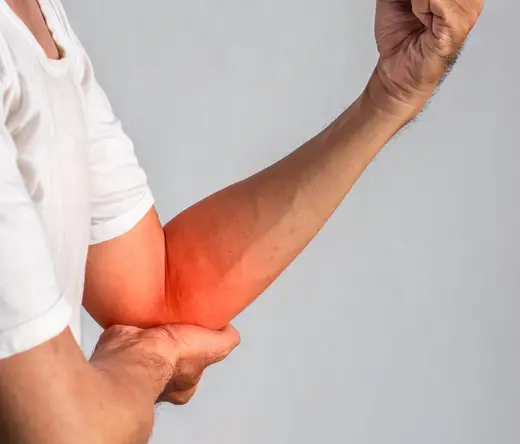

Physical Examination
A healthcare professional checks for pain, tenderness, and range of motion in the elbow and forearm.

Medical History Review
Discussion about symptoms, daily activities, and repetitive movements helps identify possible causes.

Pain Response Tests
Specific movements like wrist extension or gripping are tested to see if they trigger pain.

Grip Strength Assessment
Evaluates weakness in the affected arm, which is common in tennis elbow.

Imaging Tests
X-rays or MRI scans may be used to rule out other conditions like fractures or arthritis.

Movement Analysis
Assesses how the arm and elbow function during daily activities to identify strain patterns and confirm the diagnosis.

Repetitive Arm Movements
Repeated actions like gripping, lifting, or wrist extension can strain the forearm muscles and tendons, leading to pain.

Overuse and Muscle Strain
Excessive use of the forearm without proper rest can cause tiny tears in the tendons, resulting in inflammation and discomfort.

Poor Technique Use
Using incorrect form during activities or poorly fitted equipment can increase stress on the elbow and contribute to injury.