Abbotsford Physiotherapy & Health Clinic


Advanced Frozen Shoulder in Abbotsford

Regain Movement From Frozen Shoulder Pain Today

Targeted treatments reduce stiffness, relieve pain, and restore shoulder mobility, helping you return to daily activities with ease and confidence again.

What Is Frozen Shoulder?

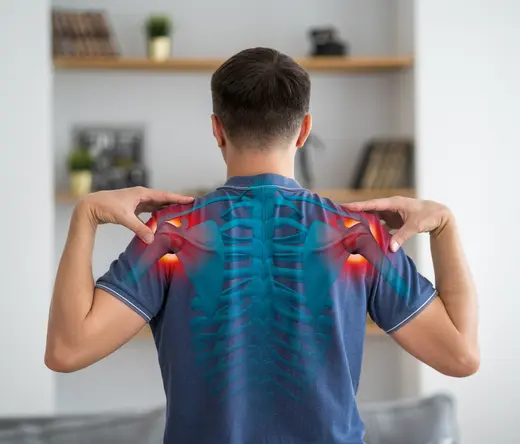
Frozen shoulder, also known as adhesive capsulitis, is a condition characterized by stiffness, pain, and limited range of motion in the shoulder joint. It develops gradually when the connective tissue surrounding the shoulder thickens and tightens, restricting movement. The condition typically progresses through stages, starting with increasing pain, followed by stiffness, and eventually gradual recovery. Frozen shoulder can result from injury, prolonged immobility, surgery, or underlying conditions such as diabetes. It can make everyday tasks like reaching, lifting, or dressing difficult. Treatment often includes physiotherapy, stretching exercises, and pain management to restore mobility and improve shoulder function over time.

Common Signs and Symptoms of Frozen Shoulder

Symptoms of frozen shoulder can vary depending on the stage and severity, but commonly include:

The Benefits of Treating Low Back Pain

Pain Relief

Physiotherapy techniques help reduce shoulder pain and discomfort, making daily movements more manageable.

Improved Range of Motion

Targeted exercises gradually restore shoulder flexibility and increase movement over time.

Reduced Stiffness

Manual therapy and stretching help loosen tight tissues and decrease joint stiffness.

Faster Recovery

Structured treatment plans support quicker healing and help progress through recovery stages efficiently.

Strength Restoration

Exercises strengthen surrounding muscles, improving shoulder stability and function.

Better Daily Function

Enables you to perform everyday activities like reaching, lifting, and dressing with greater ease and less discomfort.

What Causes a Frozen Shoulder?

Prolonged Immobility

Keeping the shoulder still for long periods after injury, surgery, or pain can cause the joint to stiffen and lose mobility.

Injury or Trauma

Shoulder injuries such as fractures, strains, or inflammation can lead to restricted movement and increase the risk of developing frozen shoulder.

Underlying Health Conditions

Conditions like diabetes, thyroid disorders, or cardiovascular issues can contribute to the development of frozen shoulder.

Frequently Asked Questions

Frozen shoulder is a condition that causes pain, stiffness, and limited movement in the shoulder joint.
It is often caused by prolonged immobility, injury, surgery, or underlying conditions like diabetes.
It can last from several months to a couple of years, depending on the severity and treatment.
Yes, it may improve over time, but treatment can significantly speed up recovery and reduce discomfort.
Physiotherapy improves mobility, reduces pain, and strengthens the shoulder through targeted exercises and manual therapy.
Yes, especially in the early stages, pain can be significant and may worsen at night or with movement.
Gentle, guided exercises are beneficial, but it’s important to avoid movements that cause excessive pain.
If symptoms persist, worsen, or limit daily activities, it’s best to seek professional evaluation and care.

Move Without Pain

Regain shoulder mobility and reduce stiffness with expert care designed to restore comfort and help you return to daily activities easily.
Contact Form Demo (#3)