Abbotsford Physiotherapy & Health Clinic

Advanced Sciatica in Abbotsford

Relieve Sciatica Pain and Restore Nerve Function

Targeted treatments reduce nerve pain, improve mobility, and restore function, helping you move comfortably and return to daily activities again.

What Is Sciatica?

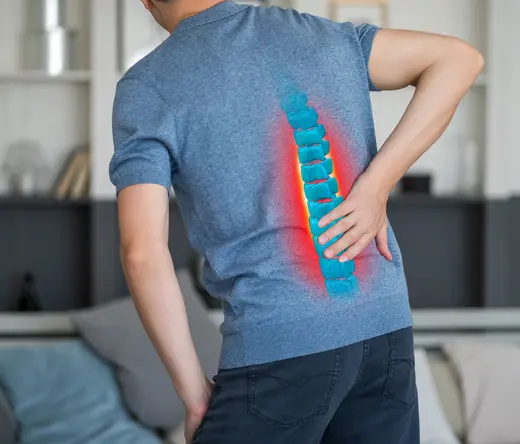
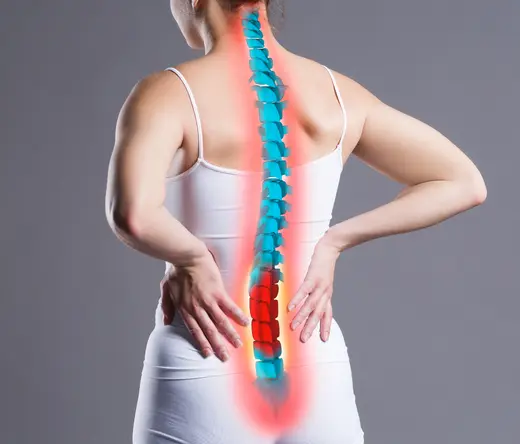
Sciatica is a condition characterized by pain that travels along the sciatic nerve, which runs from the lower back through the hips and down each leg. It usually occurs when the nerve is compressed or irritated, often due to a herniated disc, spinal stenosis, or muscle tightness. The pain can range from mild to severe and may feel sharp, burning, or shooting. It is often accompanied by numbness, tingling, or weakness in the affected leg. Sciatica can make sitting, standing, or walking uncomfortable. Proper treatment, including physiotherapy and exercises, can help relieve pressure on the nerve and improve mobility.

Common Signs and Symptoms of Sciatica

Symptoms of sciatica can vary depending on the cause and severity, but commonly include:

How does Physiotherapy Treat Pain in the Neck?

Pain Relief Techniques

Physiotherapy uses methods like manual therapy, heat, or cold therapy to reduce pain and inflammation.

I

Nerve Mobilization Exercises

Specific exercises help relieve pressure on the sciatic nerve and improve its movement.

Strengthening Exercises

Targeted exercises strengthen core and back muscles, providing better support to the spine.

Improving Flexibility

Stretching exercises reduce muscle tightness and improve overall mobility.

Posture Correction

Guidance on proper posture helps reduce strain on the lower back and prevents nerve compression.

Education and Prevention

Patients learn proper movement techniques and lifestyle changes to prevent future episodes of sciatica.

What Causes Sciatica?

Herniated or Bulging Disc

A slipped or bulging disc can press on the sciatic nerve, causing pain, numbness, and tingling along the leg.

Spinal Stenosis

Narrowing of the spinal canal can compress the sciatic nerve, leading to discomfort and reduced mobility.

Muscle Tightness or Piriformis Syndrome

Tight muscles, especially the piriformis, can irritate or compress the sciatic nerve, resulting in pain and stiffness.

Frequently Asked Questions

Sciatica is pain that travels along the sciatic nerve, usually from the lower back down to the leg.
Common causes include herniated discs, spinal stenosis, and muscle tightness compressing the nerve.
Symptoms include radiating leg pain, numbness, tingling, and muscle weakness.
Mild cases may improve with rest, but persistent pain often requires treatment.
Physiotherapy reduces pain, improves mobility, and relieves pressure on the sciatic nerve.
Yes, but only low-impact and guided exercises are recommended to avoid worsening symptoms.
If pain is severe, persistent, or affects movement, professional evaluation is important.
Maintain good posture, stay active, strengthen core muscles, and avoid prolonged sitting.

Relieve Nerve Pain

Ease sciatica discomfort and restore mobility with targeted care designed to reduce pain and help you move freely again.
Contact Form Demo (#3)